Research Article
Aim & Scope
EJE is an internationally renowned journal published by the Erciyes University Faculty of Education. Our goal is to be an important platform that contributes to the development of educational sciences by providing current and original works that are recognized nationally and internationally.
The Erciyes Journal of Education (EJE) is an academic journal published twice a year by the Erciyes University Faculty of Education. The language of the journal is Turkish, English and German. Our journal includes studies related to education, compilation, book critique and translation.
Author Guidelines
In the "Erciyes Journal of Education ", the use of the APA style created by the American Psychological Association is preferred.
The Basic Principle of Referencing by APA Style
APA style is usually based on the following format:
Author. (Year). Title. Publication Information.
How to cite APA format?
Templates and examples of different broadcast types in APA format are listed below. Apa 6 format is available here.
Printed Book
Surname of the author, the initial letter of the name. (Publication Year). Book Name. City: Publisher Organization.
Creswell, J. W. (1994). Research design: Qualitative, quantitative, and mixed methods approaches. Thousand Oaks, CA: Sage.
Creswell, J. W. (2014). Research design: Qualitative, quantitative, and mixed method approaches (4th ed.). Thousand Oaks, CA: Sage.
Karasar, N. (2017). Scientific research method: Concepts principles techniques (32. bs.). Ankara: Nobel.
Edited Book
Surname of the author, First name, & Surname of the author, First letter of the name. (Eds.) (Publication Year). Book Name. City: Publisher Organization.
Duncan, G. J., & Brooks-Gunn, J. (Eds.). (1997). Consequences of growing up poor. New York, NY: Russell Sage Foundation.
Printed Journal Articale
Surname of the author, the initial letter of the name. (Publication Year). Article name. Name of the magazine, Volume (Number), Page (s).
Nevin, A. (1990). The changing of teacher education special education. Teacher Education and Special Education: The Journal of the Teacher Education Division of the Council for Exceptional Children, 13 (3-4), 147-148.
Online Journal Article
Surname of the author, the initial letter of the name. (Publication Year). Article name. Name of the magazine, Volume (Number), Page (s). DOI: obtained from XX.XXXXX or URL
Boran, M., & Karakuş, F. (2017). Examination of teacher candidates' views on the course of collective service applications. Erciyes Journal of Education, 1 (1), 22-41.http: //dergipark.org.tr/download/article-file/370789.
Öner, G. (2017). A problem in gaining values and values in classroom life: Grouping within a classroom. International Journal of Eurasia Social Sciences, 8 (29), 895-938. DOI: 10.XXXX / XXX.XXX
The letters to be sent to our magazine must be prepared according to the EJE Journal Template.
See also:
.jpg)
Ethical Principles and Publication Policy
Ethics Responsibilities and Policies
Manuscripts sent to the Erciyes Journal of Education (EJE) are required to follow the principles below in order to get in the process of evaluation and publishing process. The manuscripts which do not fulfill the requirements of publication principles and the writing rules are not accepted and kindly resent to the author(s).
1. The manuscripts should not be previously published work or should not be under consideration or peer review for publication elsewhere. Papers presented in congresses – on condition that has not been published as a full text in congress books – and manuscripts from dissertations should have a footnote including this information. Author(s) have the responsibility of all contents in manuscripts.
2. All manuscripts submitted to the journal are subjected to re-review by the editorial board in terms of scope and writing rules. Based on this re-review, all manuscripts are sent to two external/independent referees. The referees are given 15 days and a new referee is appointed if any of them does not express an opinion in this period. Manuscripts are required to have an “issuable” report by the two referees in order to be published. In case of any rejection from one of the referees, a third referee is appointed. Author(s) are responsible with the revisions (if any) recommended by the referee(s). The manuscripts which is found “issuable” by the referees and reviewed by the edit office are in the publication process. The manuscripts are sent to the author(s) for a last proofreading and are not changed after this proofreading. The manuscripts are published online first and then printed.
3. Either referee(s) or author(s) do not know the personal information of each other. All this privacy policy is under the responsibility of the edit office.
ETHICS POLICY
A number of ethical policies have been developed by the editors and the editorial board to ensure the impartiality and ethics of the work to be published in the Erciyes Journal of Education. These policies include processes related to authors, reviewers, editors and studies.
The following ethical duties and responsibilities are written in the light of the guide and policies made by Committee on Publication Ethics (COPE).
Ethical Responsibilities of Authors
Authors submitting studies to the Erciyes Journal of Education are expected to fulfill following ethical responsibilities:
· Studies must be original and up-to-date. All reference works must be cited or quoted fully and accurately.
· Names that do not contribute to the study are not to be specified as authors. Conflict of interest or relationships must be explained (if available).
· Raw materials of submitted article(s) can be requested within the framework of evaluation processes. Authors must submit the requested data and information to editorial and science boards.
· Authors are liable to cooperate with editor in informing journal editor or publisher, correcting or withdrawing in case that an inaccuracy or error is detected about any published or under-review study.
· Authors are not to submit their studies to application processes of multiple journals.
· Any study published in other journal is not to be submitted to the Erciyes Journal of Education.
· Any under-review study submitted to another journal is not to be submitted to Erciyes Journal of Education.
· Any process such as adding-removing author, changing the order of authors cannot be demanded for a study under review process.
Ethical Responsibilities of Editors
The editor and field editors of Erciyes Journal of Education should hold the following ethical responsibilities that are based on the guides "COPE Code of Conduct and Best Practice Guidelines for Journal Editors" and "COPE Best Practice Guidelines for Journal Editors" published as open Access by Committee on Publication Ethics (COPE)
General Tasks and Responsibilities
The editors have the following roles and responsibilities
· Ensuring the development of the journal in national and international sense,
· Managing processes to improve the quality of published studies,
· Conducting processes to apply ethical rules for all shareholders of the journal,
· Updating publishing and ethical policies with the purpose of bringing contribution to the development of the journal,
· Organizing and updating website of the journal.
Relationships with Readers
Editors must consider readers’ feedbacks towards publishing, scope and ethics of the journal. They must improve the studies published in the Erciyes Journal of Education in consideration of interests and needs of readers. In addition to, the must liable to respond the questions of readers in line with ethical rules.
Relationships with Authors
Responsibilities of editors to authors are as follows;
· They must submit the studies to editorial board to decide whether the studies are to be sent to reviewers or not,
· They must to inform authors about publishing and ethical policies,
· They must prevent possible conflicts between authors and reviewers,
· They carry out “Double-Blind Review” in a healthy way and to ensure an unbiased evaluation process,
· They must assess the demands of authors towards not to send their studies to reviewers with whom they have conflict of interest,
· They must affirm demands of authors to withdraw their studies under review process,
· They must assess authors’ objections to reviewer and editor decisions/reports and to initiate a new review process where available.
Relationships with Referee
Responsibilities of editors to reviewers are as follows;
Editors must
· choose a suitable reviewer in related field of the study,
· ensure information and guidelines needed by reviewers during review process,
· monitor any conflict of interest between authors and reviewers,
· keep information of reviewer confidential,
· encourage reviewers to be unbiased,
· respond questions of reviewers about publishing and ethical policies,
· update the pool of reviewers with the purpose of improving,
· remind reviewers about timing,
· encourage reviewers to make constructive, polite and appropriate review.
Relationships with Editorial Board
Editors must
· arrange meetings with editorial board with certain intervals,
· provide information and guidelines to editorial board about publishing and ethical policies of the Erciyes Journal of Education ,
· improve the journal in consideration of feedbacks of the editorial board,
· to ensure objectivity of the members of the editorial board,
· to encourage editorial board to make review in scientific framework,
Author Rights:
Author(s) can;
· detect the reviewers to whom the studies should not be sent due to conflict of interest and/or other ethical reasons,
· withdraw their unpublished study during review process,
· oppose to reviewer reports and editor decisions,
· demand erratum for information errors or problematic areas in the given study to be published in the first issue due to error in fact during publication process.
Ethical Responsibilities of Referee
Studies submitted to the Erciyes Journal of Education are reviewed by at least two reviewers in the related field. Ideas of editor or a third reviewer are asked in case of equity between negative and positive views on the article during reviewing process.
· Double-blind review process has been adopted in the Erciyes Journal of Education, authors and reviewers are not aware of each other’s identity.
· Reviewers are expected to read publishing principles of the Erciyes Journal of Education
· Reviewers should accept to review only the studies in their speciality fields, and not to accept reviewing the manuscript in the field of which they are not expert even for having information about the topic of the given article,
· Reviewers should refuse reviewing when they realize they cannot be objective.
· Reviewers should complete the review process in a certain period of time, and review on unbiased and confidentiality terms
· Reviewers should refuse reviewing in case of a conflict of interest and inform editor about it,
· Reviewers should inform editor when the reviewed manuscript has already been submitted to any other journal,
· Reviewers should reviewing manuscript in a constructive and polite language, and not to comment personal views such as hospitality, insult and reflation,
· Reviewers should make sure that the review is related to the content of any given manuscript. They should pay attention not to bring the effect of religion, race, sex, political views and so on to review process,
Open Access Policy
EJE is an Open Access journal and provides immediate open access to its contents. The Journal aims to promote the development of global Open Access to scientific information and research. All the articles published in EJE are licensed by "Creative Commons Attribution 4.0 International License".
This jornal has adopted an open access policy. The "Budapest Open Access Initiative" dated September 12, 2012 is accepted and supported.
Licence Policy and Copyright
EJE adopted the "Creative Commons Attribution 4.0 International License" rules.
Authors are required to fill in the EJE Copyright Agreement Form and upload it to the system.

Plagiarism Detection
Papers submitted to EJE will be screened for plagiarism using iThenticate plagiarism detection tools. EJE will immediately reject papers leading to plagiarism or self-plagiarism. In EJE, iThenticate is used as plagiarism program.
Submission fee
There is no author’s submission fee or other publication related fee since every cost for the publication process is supported by the publisher; therefore it is an open access journal. EJE is a completely free journal.
Price Policy
EJE aday makale gönderimi aşamasında, değerlendirme süresince ve yayınlanma aşamasında herhangi bir gerekçe ile yazarlardan hiçbir ücret talep etmemektedir.
EJE açık erişimi destekleyen akademik bir dergidir.
Indexes






Journal Boards
Journal Management-Owner of the Journal

Chief Editor


Doç. Dr. Mehmet Ali BAHAR, Çanakkale Onsekiz Mart Üniversitesi (ÇOMÜ) Eğitim Fakültesi Türkçe Öğretmenliği lisans programından 2008 yılında "fakülte birincisi" derecesiyle mezun olmuştur. 2008-2010 yılları arasında Millî Eğitim Bakanlığında kadrolu Türkçe öğretmeni olarak görev yapmıştır. ÇOMÜ Sosyal Bilimler Enstitüsü Türkçe Eğitimi Ana Bilim Dalında 2010 yılında yüksek lisans eğitimini tamamlamıştır. Doktora eğitimini Gazi Üniversitesi Eğitim Bilimleri Enstitüsü Türkçe Eğitimi Ana Bilim Dalı Türkçe Eğitimi Bilim Dalında 2017'de gerçekleştirmiştir. Amasya ve Yozgat Bozok üniversitelerindeki görevlerini takiben 2020 yılında Erciyes Üniversitesi Eğitim Fakültesi Türkçe ve Sosyal Bilimler Eğitimi Türkçe Eğitimi Ana Bilim Dalında göreve başlamış ve 2021 yılında Türkçe eğitimi alanında doçent ünvanı almıştır. Araştırmacı Amasya Üniversitesi Türkçe Öğretimi Uygulama ve Araştırma Merkezinin kurucu müdürlüğü ile Erciyes Üniversitesi Kariyer Yönlendirme ve Bilgilendirme Merkezinin müdür vekili görevlerinde bulunmuştur.
Editor
Executive Editor
Field Edıtors
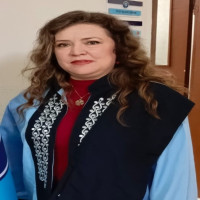
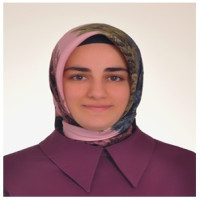
Eğitim programları ve öğretim alanında 2018 yılında Erciyes Üniversitesi Eğitim Bilimleri Enstitüsü'nde yüksek lisans, 2025 yılında ise Gazi Üniversitesi Eğitim Bilimleri Enstitüsü'nde doktorasın tamamlamıştır. Eğitimde program geliştirme ve değerlendirme, öğretmen eğitimi, hayat boyu öğrenme, 21.yüzyıl becerileri ve beceri öğretimi, yükseköğretimde program geliştirme ve değerlendirme çalışma alanları arasındadır.
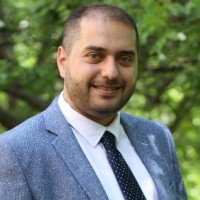
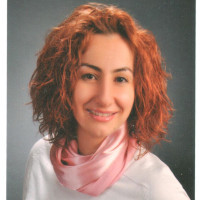
Doç. Dr. Mehmet Ali BAHAR, Çanakkale Onsekiz Mart Üniversitesi (ÇOMÜ) Eğitim Fakültesi Türkçe Öğretmenliği lisans programından 2008 yılında "fakülte birincisi" derecesiyle mezun olmuştur. 2008-2010 yılları arasında Millî Eğitim Bakanlığında kadrolu Türkçe öğretmeni olarak görev yapmıştır. ÇOMÜ Sosyal Bilimler Enstitüsü Türkçe Eğitimi Ana Bilim Dalında 2010 yılında yüksek lisans eğitimini tamamlamıştır. Doktora eğitimini Gazi Üniversitesi Eğitim Bilimleri Enstitüsü Türkçe Eğitimi Ana Bilim Dalı Türkçe Eğitimi Bilim Dalında 2017'de gerçekleştirmiştir. Amasya ve Yozgat Bozok üniversitelerindeki görevlerini takiben 2020 yılında Erciyes Üniversitesi Eğitim Fakültesi Türkçe ve Sosyal Bilimler Eğitimi Türkçe Eğitimi Ana Bilim Dalında göreve başlamış ve 2021 yılında Türkçe eğitimi alanında doçent ünvanı almıştır. Araştırmacı Amasya Üniversitesi Türkçe Öğretimi Uygulama ve Araştırma Merkezinin kurucu müdürlüğü ile Erciyes Üniversitesi Kariyer Yönlendirme ve Bilgilendirme Merkezinin müdür vekili görevlerinde bulunmuştur.


 Web
Web
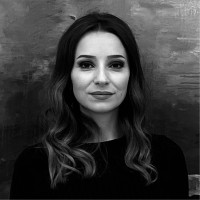
Language Editors
Web


 Web
Web
Statistics Editors
Reductor
Secretariate
Mizanpaj Editörü
Editorial Board
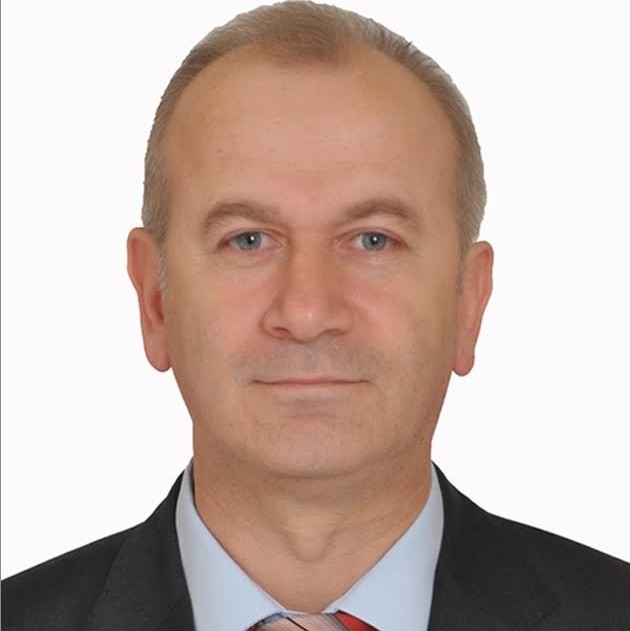
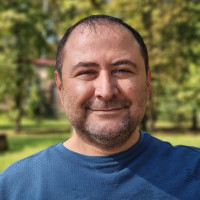
He graduated from Gazi University Kastamonu Faculty of Education, Department of Social Sciences Education (History minor field) in 1997.
He graduated from Gazi University in 2000 with a master's degree in History Education. His thesis was on the educational functions of historical stories. In 2006, he gave his doctoral dissertation "The Development of the Concept of Historical Time in Students" at the same university. He became an associate professor of history education in 2010 and a professor in 2016. He worked at Gazi, Ahi Evran, Marmara, Sakarya and Istanbul universities. The author continues to produce publications in history education, mainly in the field of historiography and methodology for the last 12 years. He is the Chief Editor of TUHED (Turkish History Educational Journal) and historiography journals. He is the co-chairman of the Historiography Workshops, which are held each year with a theme hosted by a university, and is a member of the active organizing committee of ISHE (International History Education Symposium), which is also hosted by a university every year.
He is a board member of Education Faculties Programs Accreditation Association (EPDAD) between 2016-2019. Since 2017, he has been working as a team leader, evaluator and monitor in YÖKAK monitoring-evaluation and accreditation processes. Şimşek served as Istanbul University-Cerrahpaşa Senator between 2021-2023. In addition, he still serves as a member of the Social Sciences Ethics Committee and a member of the Academic Incentive High Commission.
Books Published Under His Editorship: Historiography in Turkey (2011), How to Write History? (2011), Methodology for History (2015), Out-of-school Social Studies Teaching (2016), Turkish Historians (2016), Historiography in the World (2017), Living Turkish Historians (2017), History Education in Turkey (2017), Academic Historiography (2017) Image of Turkish in the World (2018), Issues of Turkish History and Historiography (2019), History of Modern Turkey (2019), Images in History Textbooks: States, Peoples, People (2019), Theses in Turkish Historiography Theories (2019), Agenda of Historiography in the World ( 2020), Is Interdisciplinarity Opportunity or Limitation in Historiography (2021), New Approaches in Historiography: Rethinking Old Sources (2022).
Copyrights: Cacabey and Madrasa (2006), Local History Handbook for Teachers (2015), Did It Really Happen? (2019) What Does History Do? (2022), Fetih and Fatih (with Emel Akbaş-2023).
Apart from these, the author has around one hundred articles, papers and chapters in other books. It has trained and trained many doctoral and graduate students. Currently, he is a Professor at Istanbul University - Cerrahpaşa, Hasan Ali Yücel Faculty of Education. Dr. continues to operate.
https://scholar.google.com.tr/citations?user=aOrYUlgAAAAJ&hl=tr
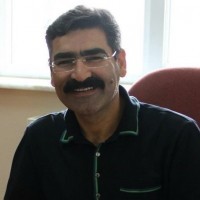
Türkçe Eğitimi ABD öğr. üyesi
I am interested in the influence of social, political, and institutional contexts on teachers’ practice. My research and teaching focus on the role of curriculum and teaching in building democratic communities that are positioned to challenge the priorities and interests of neoliberal capitalism as manifest in educational and social policies that shape both formal and informal education experiences.
https://edcp.educ.ubc.ca/e-wayne-ross/
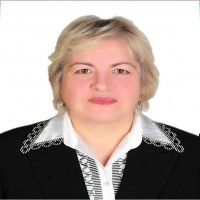
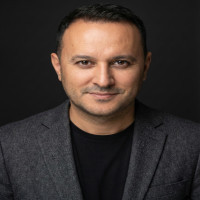
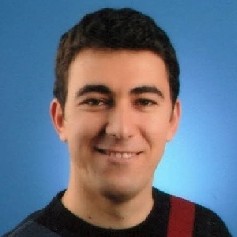
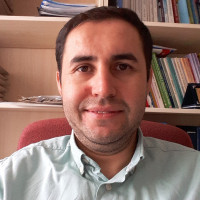
Eğitim programları ve öğretmen yetistirme.
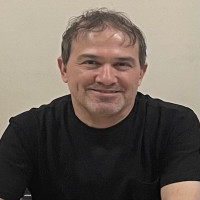
Prof. Dr. SÜLEYMAN İNAN
Pamukkale Üniversitesi Eğitim Fakültesi Sosyal Bilgiler Eğitimi Bölümü’nde öğretim üyesidir. Akademik kariyeri sürecinde Marmara, Ege, Pamukkale ve Süleyman Demirel Üniversitelerinden dersler aldı. 2013’te Türkiye Cumhuriyeti Tarihi bilim dalında profesör oldu. Aynı yıl, kısa bir süre YÖK bursuyla İngiltere’de misafir araştırmacı olarak bulundu. Bilimsel ve kamu yararı gözeten bazı projelerin içinde yer aldı. Bunlardan yürütücülüğünü üstlendiği bir bilim okulu projesi olan KÜBİY (Küçük Bilim İnsanları Yetişiyor) TÜBİTAK etiketi aldı. “Adnan Menderes Müzesi”nin akademik danışmanlığını yaptı.
Disiplinler arası çalışmayı seven ve kendisini daha çok bir sosyal bilimci olarak gören İnan’ın çalışma alanı çoğunlukla tarih, siyaset ve eğitim üçgeninde gezindi. Adnan Menderes (Liberte Yay.), Necip Ali Küçüka (Atatürk Araştırma Merkezi Yay.) ve İsmet İnönü’nün (Türkiye’nin 1950’li Yılları ve Türkiye’nin 1960’lı Yılları kitabı içinde, İletişim Yay.) biyografilerini yazdı. Yakın Dönem Türk Politik Tarihi (Anı Yay.), İnkılap Dersleri (Kafka Kitabevi Yay.), Sosyal Bilgiler Eğitimine Giriş (Anı Yay.), Popüler Tarih Sözlüğü (Adres Yay.), Siyaset Okuryazarlığı (Yeni İnsan Yay.), Epigram (Liman Yayınları), Ne Gerek Var Sosyal Bİlimlere?-İnsan ve Toplum Bilimleri Üzerine Sorgulamalar (Paradigma Yay.) kitaplarının hem editörlüğünü hem de yazarlığını yaptı.
Middle Eastern Studies, History Studies, Türkiye Günlüğü, New Perspectives on Turkey, Bilgi&Bellek gibi dergilerde yayımlanmış makaleleri bulunmaktadır.
Çocuk ve gençlere yönelik bir eğitim materyali iddiasıyla çıkan Genç Bilgi: Siyaset (Doğan Egmont) kitabının yazarı olan İnan, SOs+a kısa adıyla siyaset okuryazarlığı üzerine seminer ve atölye eğitimlerini, geliştirdiği 4 modül (Çocuk-Öğretmen-Yetişkin ve Akademisyenler) üzerinden sürdürmeye devam ediyor. Ayrıca (www.siyasetokuryazarlik.com.tr) sitesinin kurucusu ve yöneticisidir.
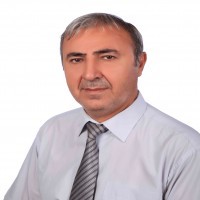
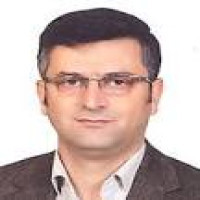
1988 yılında Dokuz Eylül Üniversitesi, Buca Eğitim Fakültesi Tarih Öğretmenliğinden mezun; aynı üniversitenin İnkılap Tarihi Enstitüsünden "Öğretim Programı ve Ders Kitapları Açısından Türkiye'deki Tarih Öğretimi" adlı tez ile mezun oldu. 1995-1999 yılları arasında YÖK-Dünya Bankası Milli Eğitimi Geliştirme Projesi çerçevesinde Leeds Üniversitesinde EdD doktora programına devam etti ve "A Comparison Between English and Turkish History Textbooks: Design, Construction and Usability Issues adlı teziyle mezun oldu. Çalışma alanları; kanıt temelli öğrenme, empati, ders kitapları, öğrenme kuramları/yöntemleri, eylem araştırmasıdır.
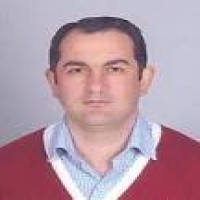


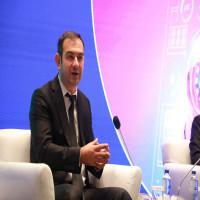

Bahri Ata was born in İzmit in 1969. He graduated from the Department of History, the Faculty of Arts and Sciences, METU, Ankara, Turkey. He worked as a history teacher in İmece Primary School, Kağıthane, İstanbul between 1991 and 1994. Later on He became a lecturer of History of Turkish Republic at Abant İzzet Baysal University, Bolu. In 1997, He completed his Master thesis related to the transfer of Telegraph Techology to the Ottoman Empire under the advisorship of Prof. Dr. Zafer Toprak. In 1998 he completed his second M.A. thesis concerning to History Education at Institute of Social Sciences, Gazi University under the advisorship of Prof. Dr. Mustafa Safran.
He completed his military service as history teacher at Işıklar Military School, Bursa between 2001 and 2002. He took an active role in the renewal of the curriculum of Social Studies and History courses and textbooks at the Board of Education between 2003-2006. He began to work as an assistant professor at Faculty of Education, Gazi University in 2005. He became an associate professor in 2010, Professor in 2017. He is interested in history education, social studies education, Museum education, science and technology history.
His memberships are as follows;
• Specialized Committee Member, UNESCO National Commission of Turkey (2010-2014)
• Museum Consulting Member, Atatürk Köşk Müzesi, Çankaya (2012-2014)
• TÜBİTAK Science Center Supervisory Board Member (2014-2016)
• Member of Board of Education, Ministry of Education, Turkey (2018-2021)
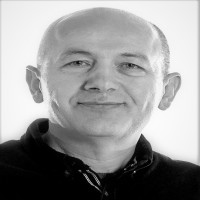
Ali Yildirim is Professor of Pedagogical Work at University of Gothenburg in Sweden. He received his Ed.D. degree from Columbia University in 1993, and later worked at Middle East Technical University in Turkey for 25 years. He provided consultancy to Turkish Ministry of Education in nationwide research projects such as national achievement testing, parent education and vocational education. He served as educational consultant to World Bank financed projects in Turkey such as Preservice Teacher Education Development Project. Currently, he leads Didactic Classroom Studies with around 50 researchers at University of Gothenburg. His research interests include teaching and learning processes, curriculum planning and assessment, teacher education, and social studies education. His published books and articles focus on teacher education, instructional planning, thinking and learning skills, teaching of social studies and qualitative research. e-mail: ali.yildirim@gu.se https://www.gu.se/en/about/find-staff/aliyildirim, https://www.gu.se/en/research/didactic-classroom-studies, https://www.gu.se/en/research/sallt, https://www.gu.se/en/research/mentor-growth, https://www.usn.no/english/for-partners/teacher-research-literacy/
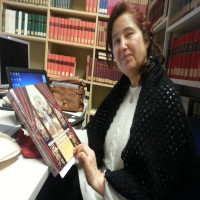
Kudret Altun, ilk, orta ve lise öğrenimini Kayseri’nin Bünyan ilçesinde ilmek ilmek örülen Bünyan halılarının kirkit seslerinin ikliminde tamamladı. Yükseköğrenimini İstanbul Üniversitesi Edebiyat Fakültesi’nde, yüksek lisans ve doktora eğitimini ise aynı şehirde İstanbul Üniversitesi Sosyal Bilimler Enstitüsünde tamamladı.
Birbirinden farklı kültürlerin mezcolduğu, Ortadoğu ve Avrupa ülkelerinde bulunarak bu ülkelerde görev yaptı. Yurt dışı serüvenine Kıbrıs, Lefkoşe Türk Öğretmen Koleji’nde başlayan yazar, İngiltere ile devam etti. Burslu öğrenci olarak gittiği İtalya Venedik Üniversitesi’nde (Dipartimento di Studi Eura Siatici) (1996/97) doktora üstü burslu öğrenci olarak çalıştı. 1999/2000 Amman Türk Kültür Merkezi yöneticisi olarak görevlendirilen yazar, burada Ortadoğu ve Arap kültürünü tanıma imkânı buldu. 2006 yılında, dokuz yıl önce öğrenci olarak gittiği İtalya’ya bu kez hoca olarak yeniden kavuşma imkânı bulan Altun, Venedik Doğu Dilleri Bölümü’nde öğretim üyesi olarak çalıştı. Osmanlı Türk kültür ve medeniyeti hakkında üniversitede (Ca’ Foscari University of Venice) konferanslar verdi. Çeşitli alanlarda çalışmalar yaparak Türk-İslam kültürünü Türkiye’nin sınırları dışına taşıyan akademisyen-yazar, Ca’ Foscari University of Venice, Yesevî, Yûnus Emre, Harem, Mevlânâ konulu konferanslar verdi. Ardından TİKA tarafından Bosna-Hersek Zenica Türkoloji Bölümü’nde 1 yıllığına öğretim üyesi olarak görevlendirildi. Orada Osmanlı’nın yetimi Bosna’ya âşık oldu. Dönüşünde davetli konuşmacı olarak Erciyes, Konya, Akşehir, İzmir… “Balkanlarda Türk izleri” tekrar Anadolu ile buluştu. Seyr ü seferi zaten Türkçe ve Türklük üzerine olan Altun, 2011 yılında Bologna Üniversitesi Doğu Dilleri Bölümü Başkanı M. Pistoso tarafından Bologna Üniversitesine davet edildi. Burada Ferdinando Marsigli’nin Osmanlı illerinden apardığı nadide el yazmalarını keşfetti; bu eşsiz el yazmaları kütüphanenin Hazineler bölümünde Türkiye’nin himmetini beklemekte.
2017 yılına kadar bu el yazmalarının Türkiye’ye getirilmesi, en azından dijital ortama geçirilmesi için çalmadık kapı bırakmayan Altun, netice alamayınca 2017 Şubat’ında İtalya’ya giderek kütüphanenin Hazineler bölümünde saklı olan elmaslarımızı tekrar inceledi. Buradan yine mühim el yazmalarının mikrofilmleriyle dönen yazar, bunların içinde en kıymetlilerinden birisi olan ve Marsigli’nin İstanbul saray hayatını orijinal çizimlerle anlatan İtalyanca-Osmanlıca “Osmanlı’da Sosyal Sınıf ve Kimlikler” adlı eseri yayımladı.
Prof. Dr. ALTUN, hâl ü hazırda Erciyes Üniversitesi Eğitim Fakültesinde, Türkçe Eğitimi, Türk Edebiyatı ve Osmanlı el yazmaları üzerine çalışmalarını sürdürmektedir.
Advisory Board
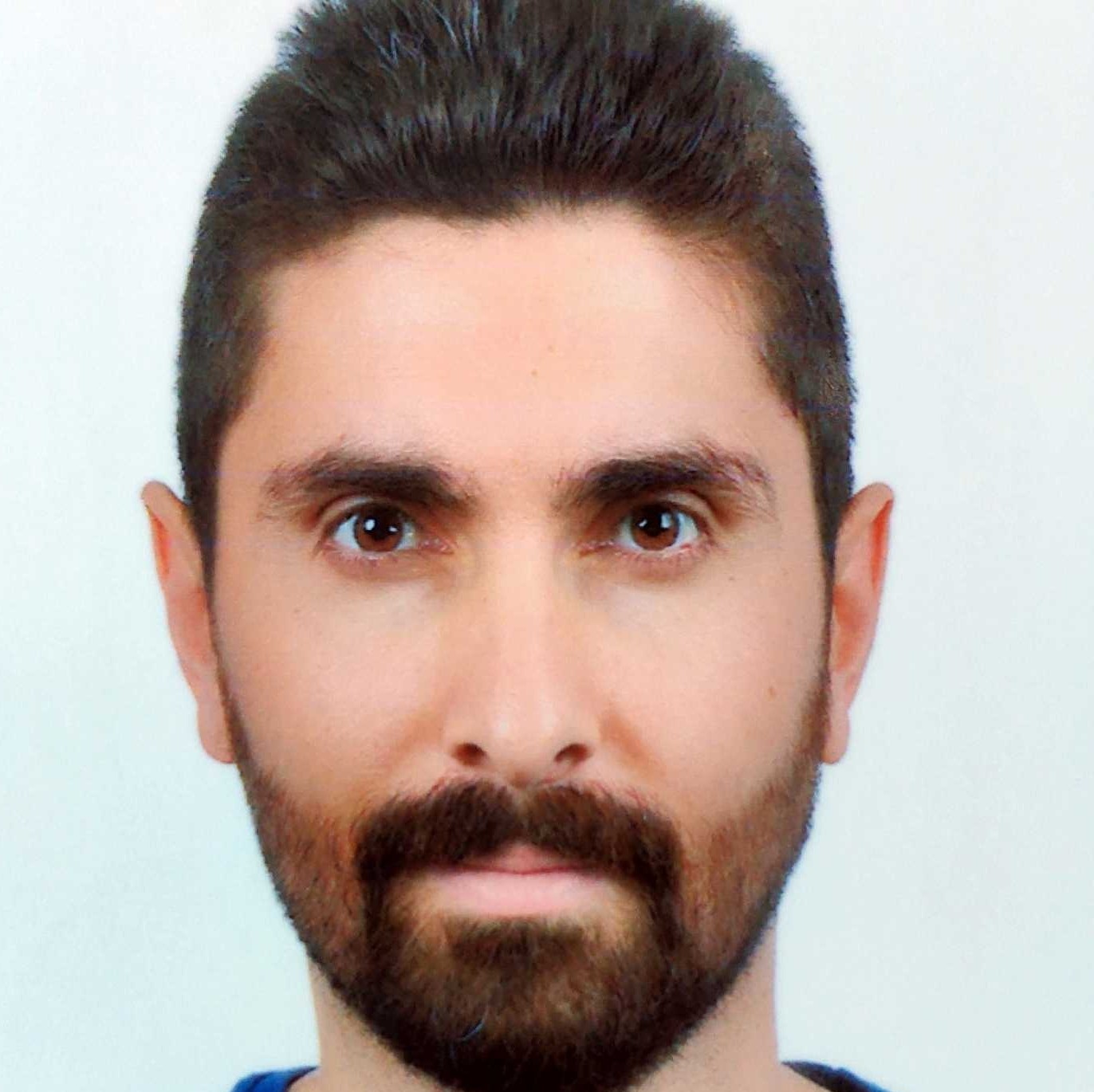
Hatice Cilsalar Sagnak is an assistant professor in the Department of Educational Sciences at Yozgat Bozok University, where she leads the Educational Technologies and Teacher Education Research Group. Her research focus is on technology in teacher education, preservice teacher education, curriculum development, and curriculum evaluation. She also examines faculty members’ technology integration behavior in higher education institutions. Dr. Cilsalar Sagnak holds a B.S. degree in Primary Teacher Education from Erciyes University, an M.S. degree in Curriculum and Instruction from Erciyes University, and a Ph.D. degree in Curriculum and Instruction from Middle East Technical University.
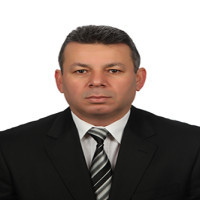

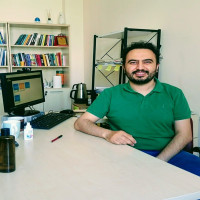
Oktay Kızkapan, PhD, is an associate professor in the field of science education. He currently works at Nevşehir Hacı Bektaş Veli University, Turkey. He received his bachelor’s degree from Middle East Technical University in 2012 and master’s and doctorate degrees from Erciyes University in the field of science education in 2015 and 2019, respectively. He has conducted various studies in the fields of teaching methods in science education and teacher education. He teaches research methods and instructional technology courses to pre-service teachers from different departments. He has published widely in national and international journals on science education and teacher education as well as gifted education.

ERCİYES JOURNAL OF EDUCATION [EJE]

This work is licensed under a Creative Commons Attribution-NonCommercial-NoDerivatives 4.0 International